
Working Hours for International Students in Australia in 2026: Complete Guide to the 48-Hour Visa Rule
- Posted by Edwise Foundation
- Categories Australia
- Date January 1, 2026
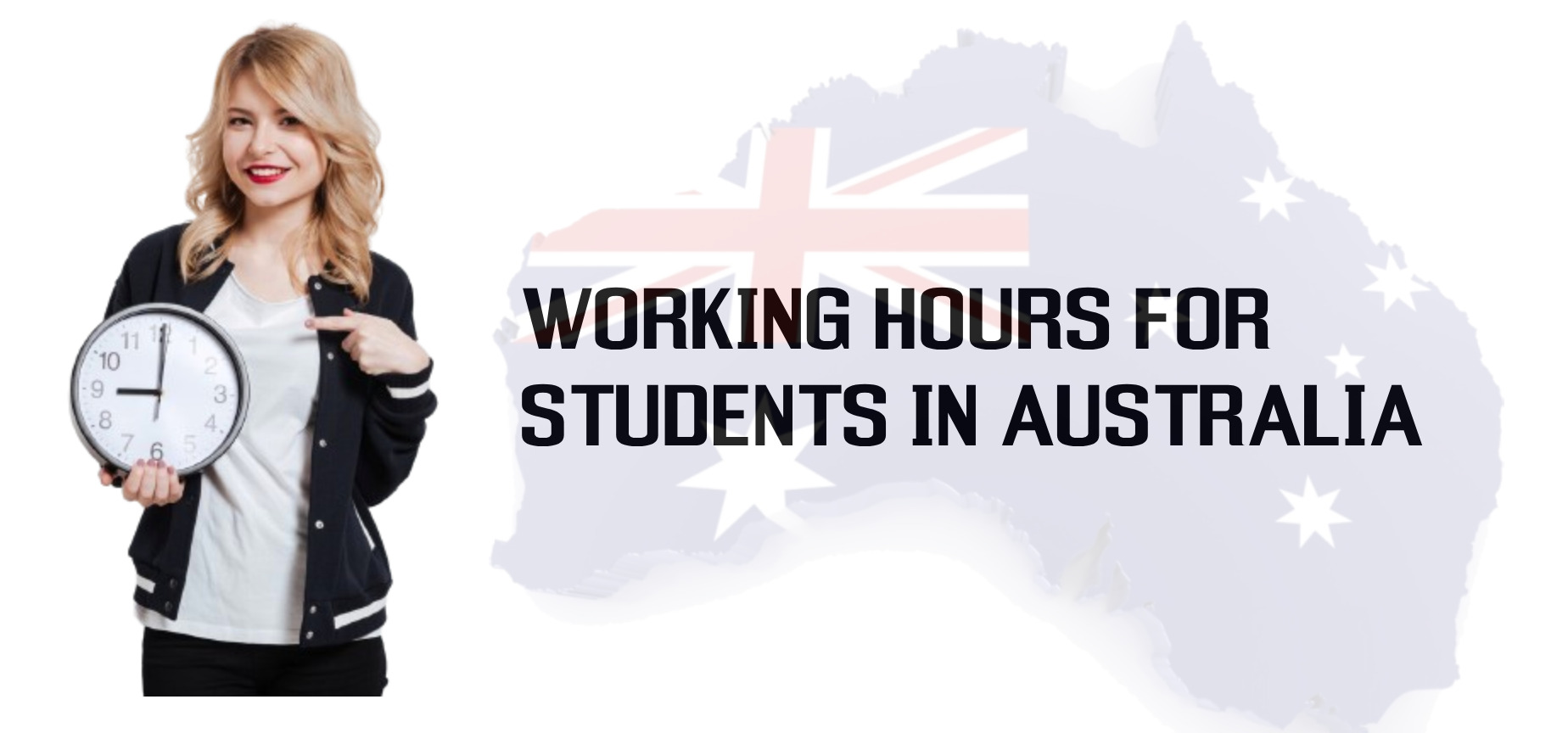
International students on a Student Visa (Subclass 500) can work up to 48 hours per fortnight while their course is in session in Australia. During official semester breaks, you can work unlimited hours. The national minimum wage is AU $26.44/hour (casual rate: AU $33.05/hour with 25% loading). PhD and Masters by Research students are exempt from the work limit entirely.
Understanding the working hours for students in Australia is one of the first things you need to sort out before or after arriving on a Student Visa. The rules are straightforward, but the consequences of getting them wrong — including visa cancellation — are serious.
This guide covers everything Nepali students need to know about Australia's student work hour rules in 2026: the 48-hour fortnight cap, who is exempt, how much you can earn, what counts as "work," and the latest on the proposed 60-hour increase.
→ Australia student visa requirements for Nepali studentsThe 48-hour fortnight rule explained
The 48-hour per fortnight rule is the foundation of all student visa work rights in Australia. It applies to every international student holding a Subclass 500 Student Visa and is enforced under Condition 8105 by the Department of Home Affairs.
A "fortnight" means a fixed 14-day period starting on a Monday — you cannot shift or average it to suit your roster. Here is how the rule applies across different periods:
- During academic sessions (classes, exams, study periods): Maximum 48 hours per fortnight across all jobs combined. This cap replaced the previous 40-hour limit in July 2023.
- During official course breaks (semester holidays, summer/winter breaks): Unlimited hours. These must be officially scheduled breaks recognized by your education provider.
- Before your course starts: You cannot work at all, even if you have arrived in Australia early.
- After your course ends: Once final results are released, you can work unlimited hours until your visa expires — even while waiting for graduation.
Important: The 48-hour limit applies to your total hours across ALL employers. If you work 28 hours at a café and 22 hours doing deliveries in the same fortnight, that is 50 hours — a visa breach.
Who is exempt from the 48-hour work limit?
Not all international students face the same restrictions. Several categories enjoy unlimited work rights from the day their course begins:
- Masters by Research students — can work unlimited hours. This applies only to degrees formally classified as "by research," not coursework masters programs that include a research component.
- PhD and Doctoral students — no work hour restrictions. This recognizes that research degrees often involve work-integrated activities like teaching, lab supervision, and industry collaboration.
- Commonwealth-sponsored students — those receiving Australian government funding (Australia Awards, Defence scholarships) are exempt from work limits.
Course-required work doesn't count: Mandatory professional placements, clinical training, or internships that are a registered part of your CRICOS course do not count toward the 48-hour limit.
Minimum wage and how much you can actually earn
Australia has one of the highest minimum wages in the world, making part-time work genuinely worthwhile for students. Following the Fair Work Commission's Annual Wage Review 2026, effective 1 July 2026:
- National minimum wage: AU $26.44 per hour (before tax)
- Casual loading (25%): AU $33.05 per hour — most student jobs are casual
- Penalty rates: Weekends and public holidays pay significantly more — up to AU $45–$50+ per hour in hospitality and retail
- Superannuation: Employers must pay 12% on top of your earnings into a retirement fund
Here is a realistic earnings breakdown for students working the maximum 48 hours per fortnight:
| Scenario | Hourly Rate | Fortnightly (48 hrs) | Monthly Estimate |
|---|---|---|---|
| Casual minimum wage | AU $33.05 | AU $1,586 | AU $3,172 |
| Hospitality/retail (weekdays) | AU $28–$35 | AU $1,344–$1,680 | AU $2,688–$3,360 |
| Weekend/holiday shifts | AU $45–$50+ | AU $2,160–$2,400+ | AU $4,320–$4,800+ |
You will need a Tax File Number (TFN) to work legally. Without one, your employer must withhold tax at the highest rate of 47%. Apply through the Australian Taxation Office website after arriving.
What counts toward the 48-hour limit?
This is where many students make costly mistakes. The Department of Home Affairs counts all forms of paid work toward your 48-hour limit:
- Part-time and casual employment — both on-campus and off-campus jobs
- Gig economy work — UberEats, DoorDash, Menulog, rideshare platforms
- Freelance and contract work — even remote or online work
- Paid internships — unless the internship is a mandatory, CRICOS-registered part of your course
Genuine voluntary work for a non-profit organization generally does not count. However, "volunteering" at a family member's business or a commercial establishment will be treated as a visa breach.
Enforcement is stricter in 2026. The Department of Home Affairs now cross-references data from the Australian Taxation Office, employer payroll records, and visa information systems automatically. Cash-in-hand work is increasingly detectable.
Get personalized guidance on universities, visa requirements, and work rights from Nepal's most experienced Australia advisors.
Book a free consultationWhat happens if you breach the work hour limit?
Breaching Condition 8105 is taken seriously by the Australian government. Potential consequences include:
- Formal warning — for minor or first-time breaches (e.g., 49 hours instead of 48)
- Visa cancellation — for repeated or deliberate violations
- Future visa complications — a cancellation on your record can affect visa applications to Australia and other countries
However, there is an important protection. If your employer pressured or coerced you into exceeding the limit, the Assurance Protocol between the Fair Work Ombudsman and Home Affairs can protect you. Under this agreement, your visa will generally not be cancelled if you report the exploitation and commit to following visa conditions going forward.
→ Australian study visa refusal reasons and how to avoid themDid working hours increase to 60 per fortnight in 2026?
In early 2026, Australia's Parliamentary Budget Office released a report outlining a Coalition (opposition) proposal to increase student visa work hours from 48 to 60 hours per fortnight, targeting a start date of 1 July 2026. Here is what you need to know:
- The proposed increase of 12 additional hours per fortnight would have applied during academic sessions only — no change to unlimited hours during breaks
- The PBO estimated it would generate AU $334 million in additional tax revenue
- The proposal's 1 July 2026 target date has now passed without the change being legislated
- It remains an opposition policy proposal, not enacted government policy, and no new implementation date has been announced
This is still a proposal only — not law. The 48-hour limit remains the current legal requirement. No legislative instrument has been issued. Do not plan your finances or work schedule around this change happening on any particular date. Students who breach the current 48-hour limit risk visa cancellation regardless of any pending proposals.
Practical tips for managing your work hours
- Keep a personal log. Do not rely on employers to track your total hours, especially if you have multiple jobs. A simple spreadsheet or phone app works.
- Understand the fortnight calculation. The 14-day period starts on a Monday. A common mistake is stacking hours across overlapping fortnights — you could work 25 hours in Week 1 and 25 in Week 2, but if those weeks span two different fortnights, you may breach the cap in one of them.
- Communicate with employers. Let each employer know you are on a student visa with a 48-hour fortnightly cap. Reputable Australian employers understand this and will accommodate your schedule.
- Budget realistically. Working 24 hours per week at the casual minimum wage earns roughly AU $3,172 per month before tax. Plan your expenses around this rather than assuming unlimited work availability.
- Use semester breaks strategically. Unlimited work hours during official breaks are your chance to earn more and build savings for the next academic term.
Your workplace rights as an international student
International students in Australia have the same workplace protections as any other employee under the Fair Work Act. This includes:
- Being paid at least the national minimum wage
- Receiving a payslip within one day of being paid
- Having superannuation (12%) paid on top of your earnings
- Working in a safe environment free from discrimination
- Not being threatened or exploited by employers
If you believe your employer is underpaying you, not providing payslips, or pressuring you to exceed your visa work limit, contact the Fair Work Ombudsman on 13 13 94. They offer free advice in multiple languages, and your complaint will not affect your visa status.
How Edwise Foundation helps Nepali students study in Australia
As Nepal's oldest AIRC-certified education consultancy, Edwise Foundation has been guiding students to Australia since 2005. Our Australia advisors — many of whom personally studied there — help you with university selection, visa preparation, financial planning, and understanding your work rights before you arrive.
With a 96% acceptance rate and partnerships with over 150 universities, we ensure you find a right-match program that aligns your academic goals with your earning and career aspirations. If you are a Nepali student considering Australia, visit our study in Australia from Nepal page for everything you need to know about eligibility, costs, and timelines.
Book a free consultation with our Australia-experienced advisors. We will help you find the right university, scholarship, and visa pathway.
Book a free consultationFrequently asked questions
Edwise Foundation is your dedicated abroad education partner. We are more than an education consultancy; we're your route to international education. We have a long history of guiding ambitious young minds. Our extensive experience in counseling abroad studies and smooth application processing makes it easier for students to achieve their academic goals.
f i y t n
Previous post